
Thousands of animal species face growing pressure from habitat loss, illegal hunting, climate change, pollution and human activity. Among them, some species have reached critically low population levels and face an immediate risk of extinction. The IUCN Red List identifies Critically Endangered, Endangered and Vulnerable species as threatened with extinction.
This list highlights 10 of the world's most endangered species based on their conservation status, population size, geographic range and major threats. It is not an official IUCN ranking. Instead, it provides a snapshot of species that need urgent conservation attention.
1. Vaquita (Phocoena sinus)
The vaquita is a small marine mammal found only in the northern Gulf of California in Mexico. The IUCN SSC Cetacean Specialist Group describes it as the world's most endangered marine mammal. It’s extremely restricted range makes the species highly vulnerable to human activities.
The biggest threat comes from accidental entanglement in fishing nets, especially gillnets. Conservation groups have called for stronger enforcement and the removal of gillnets from the vaquita's habitat. In 2026, the species remained a major conservation priority, with experts stressing the need for immediate and enforceable protection measures.
2. Javan Rhinoceros (Sunda Rhinoceros / Rhino)
The Javan rhinoceros is one of the rarest large mammals on Earth. It survives in a single remaining population in Indonesia's Ujung Kulon National Park. The species is classified as Critically Endangered and faces serious risks because its entire surviving population occupies one restricted area.
Recent IUCN information estimated only about 50 Javan rhinos surviving. Poaching has caused significant losses, while the species also faces the risks associated with such a small and isolated population. Protecting its habitat and maintaining effective anti-poaching measures remain essential for its survival.
3. Saola (Spindlehorn)
The saola, often called the “Asian unicorn,” is one of the world's most mysterious mammals. Scientists discovered the species only in 1992. It lives in forests of the Annamite Mountains along the border regions of Vietnam and Laos. The IUCN lists the saola as Critically Endangered.
Researchers do not know the exact number of saolas remaining. IUCN experts have described realistic estimates as fewer than 100 individuals. The species faces major threats from hunting and snares placed for other wildlife. Conservationists say finding surviving animals and protecting their remaining habitat are urgent priorities.
4. Sumatran Rhinoceros (2 Horned Rhino)
The Sumatran rhinoceros is the smallest living rhinoceros species and one of the world's most threatened mammals. Its population has declined dramatically because of poaching, habitat loss and fragmentation. The species now survives in small, isolated populations in Indonesia.
The IUCN's Asian rhino assessment reported an estimated 34–47 Sumatran rhinos surviving. Such a small population creates major challenges for natural breeding and genetic diversity. Conservation programmes therefore focus on habitat protection, security and managed breeding to prevent further decline.
5. Amur Leopard
The Amur leopard is one of the world's rarest big cats. It inhabits forest landscapes in the Russian Far East and northeastern China. Its population has faced pressure from habitat loss, prey decline, illegal hunting and other human activities.
Conservation efforts have helped protect important habitat and improve cooperation across the species' range. However, it’s extremely small population and restricted distribution continue to create serious risks. Protecting forests, preventing poaching and maintaining healthy prey populations remain critical for the leopard's long-term recovery.
6. Tapanuli Orangutan
The Tapanuli orangutan is found only in the Batang Toru ecosystem of North Sumatra, Indonesia. Scientists formally recognized it as a separate species in 2017. The species is classified as Critically Endangered and has one of the smallest ranges of any great ape.
IUCN information has placed its population at fewer than 800 individuals. Habitat fragmentation remains a major concern because the species occupies a relatively small forest ecosystem. Protecting forest corridors and preventing damaging development are important parts of its conservation strategy.
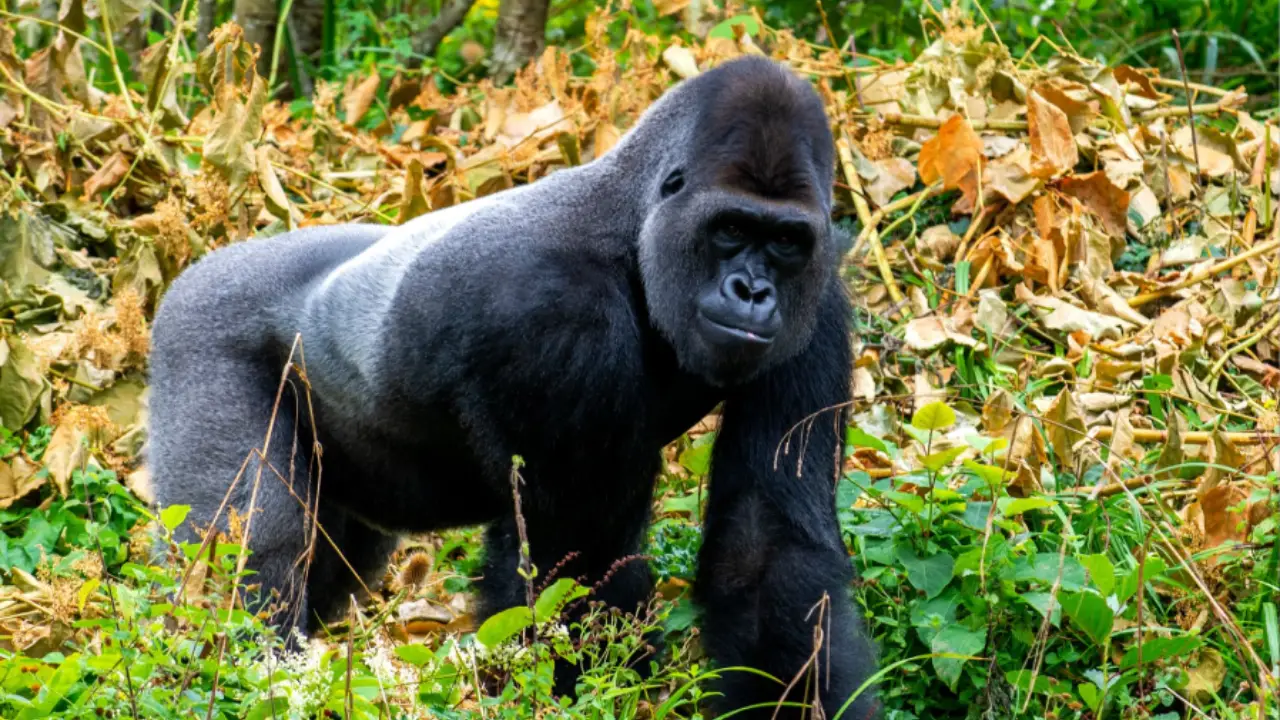
7. Cross River Gorilla (Gorila Gorila Diehli)
The Cross River gorilla is one of Africa's rarest great ape populations. It lives in fragmented forests along the Nigeria-Cameroon border. Its restricted distribution makes habitat protection especially important.
Forest loss, hunting pressure and human encroachment threaten the species. Conservation programmes focus on protecting forest habitat, strengthening local communities and reducing human pressure around remaining populations. Cross River gorillas also benefit from wider efforts to protect the forests shared by people and wildlife.
8. Eastern Lowland Gorilla (Grauer's gorilla)
The eastern lowland gorilla, also known as Grauer's gorilla, is found in the Democratic Republic of Congo. It is the largest of the four gorilla subspecies but has experienced severe population pressure from habitat loss, hunting and instability in parts of its range.
Protecting remaining forest is essential because these gorillas depend on large, connected habitats. Conservation groups also work with local communities and authorities to reduce illegal hunting and protect important wildlife areas. Long-term stability in the region remains an important factor in the species' recovery.
9. Hawksbill Turtle (Eretmochelys imbricata)
The hawksbill turtle is a marine turtle found across tropical and subtropical oceans. Its distinctive shell has made it historically valuable in the illegal wildlife trade. The species also faces threats from accidental capture, coastal development, pollution, climate change and the loss of nesting beaches.
Protecting nesting beaches and marine habitats can help hawksbill populations recover. Conservation programmes also target illegal wildlife trade and fishing practices that accidentally capture turtles. Because hawksbills travel across national boundaries, international cooperation remains essential.
10. Sunda Tiger (Sumatran Tiger)
The Sunda tiger represents one of the last surviving tiger populations in Indonesia. It is restricted to the island of Sumatra after tiger populations disappeared from several other Indonesian islands. Habitat loss, prey depletion and illegal wildlife trade continue to threaten its survival.
Protecting forests and maintaining viable prey populations are central to tiger conservation. Anti-poaching operations also play a critical role. The survival of the Sunda tiger depends on protecting large connected landscapes while reducing conflict between people and wildlife.