
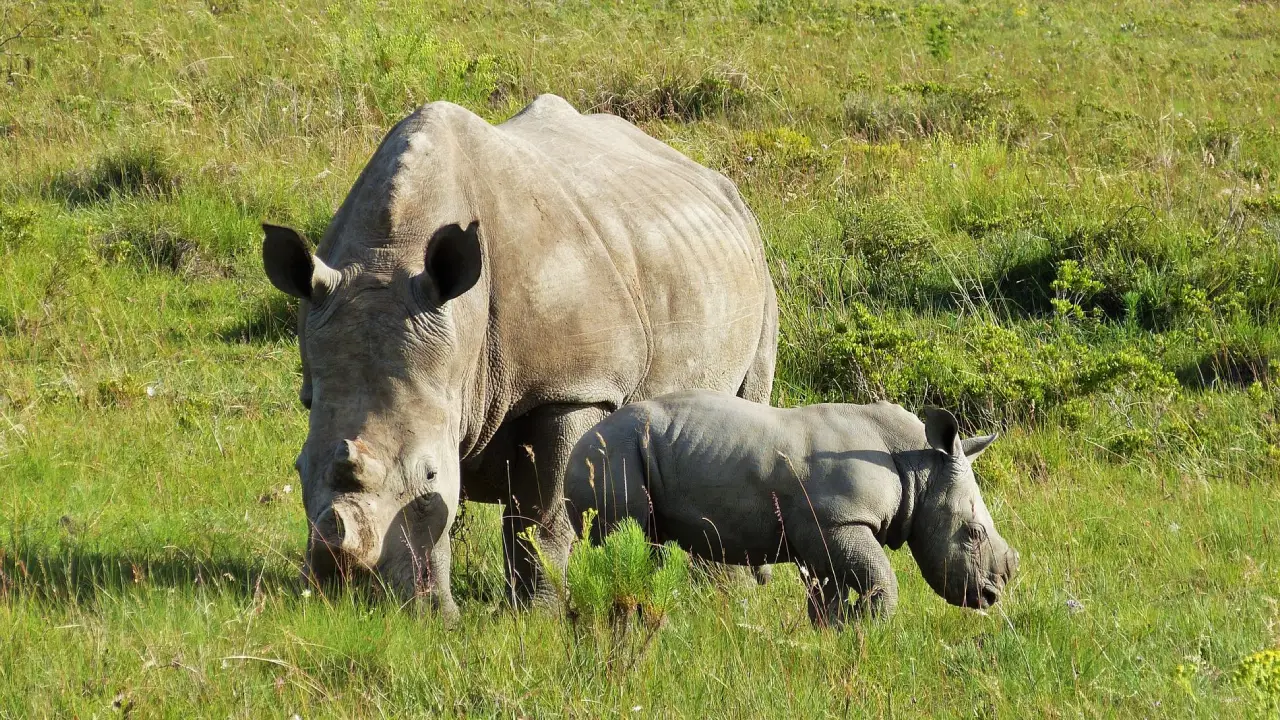
Wildlife is essential to maintaining ecological balance, preserving biodiversity, and supporting healthy ecosystems around the world. However, many animal species face increasing threats from habitat destruction, illegal hunting, pollution, climate change, and human activities. Protecting wildlife requires collective action from governments, conservation organizations, local communities, and individuals. By adopting sustainable practices and supporting conservation initiatives, we can help endangered species survive and preserve natural habitats for future generations. Here are 10 effective ways to protect and conserve wildlife.
1. Preserve Natural Habitats
Natural habitats provide wildlife with food, water, shelter, and suitable breeding grounds. Deforestation, urban expansion, mining, and agricultural development can destroy these essential environments and force animals into smaller areas. Protecting forests, wetlands, grasslands, and marine ecosystems helps maintain biodiversity and supports healthy animal populations. Establishing protected areas and restoring damaged habitats are important steps toward ensuring that wildlife can survive in its natural environment.
2. Stop Illegal Wildlife Hunting and Trade
Illegal hunting and wildlife trafficking threaten numerous species, including elephants, rhinoceroses, pangolins, and endangered reptiles. Animals are often captured or killed for their body parts, exotic pet markets, or commercial products. Governments can address these threats by strengthening wildlife laws, improving border inspections, and prosecuting individuals involved in illegal trade. Consumers can also contribute by avoiding products derived from endangered species and reporting suspected wildlife trafficking to the appropriate authorities.
3. Strengthen Anti-Poaching Efforts
Poaching can rapidly reduce vulnerable wildlife populations and push threatened species closer to extinction. Trained wildlife rangers, camera traps, satellite monitoring, and other appropriate surveillance technologies can help conservation authorities detect illegal hunting activities. However, successful anti-poaching programs also require adequate funding, effective law enforcement, and cooperation with communities living near wildlife habitats. Combining enforcement with education and sustainable livelihood opportunities can reduce the incentives that encourage poaching.
4. Reduce Plastic Pollution and Environmental Waste
Plastic pollution is a serious threat to wildlife, particularly marine animals that may swallow plastic debris or become entangled in discarded fishing equipment. Chemical waste, pesticides, oil spills, and untreated wastewater can also damage habitats and contaminate food chains. Individuals can help by reducing single-use plastics, recycling appropriately, disposing of waste responsibly, and participating in community clean-up activities. Governments and businesses must also improve waste-management systems to prevent pollution from reaching rivers, forests, and oceans.
5. Support Endangered Species Conservation
Endangered species often require targeted conservation measures to prevent further population declines. Scientific research, habitat restoration, wildlife monitoring, and carefully managed breeding or reintroduction programs can help certain threatened populations recover. Animals such as snow leopards, tigers, sea turtles, and rhinoceroses benefit from conservation initiatives designed around their specific needs. Supporting reputable wildlife organizations and responsible conservation projects can help provide the resources needed to protect these species over the long term.
6. Promote Sustainable Agriculture and Fishing
Agriculture and fishing provide food and employment, but unsustainable practices can damage ecosystems and threaten wildlife. Excessive pesticide use may harm beneficial insects and birds, while overfishing can reduce marine populations and disrupt aquatic food chains. Farmers can protect wildlife by maintaining natural vegetation, reducing unnecessary chemical applications, and adopting soil-friendly farming methods. Responsible fishing practices, effective catch limits, and the protection of breeding areas can also help maintain healthy aquatic ecosystems.
7. Take Action Against Climate Change
Climate change affects wildlife by altering temperatures, rainfall patterns, seasonal cycles, and natural habitats. Polar species, mountain animals, migratory birds, and marine organisms may face increasing pressure as environmental conditions change. Reducing greenhouse gas emissions, protecting forests, restoring wetlands, and expanding renewable energy can help address the underlying causes of climate change. Conservation planning should also protect connected habitats so animals have greater opportunities to move as their environments change.
8. Reduce Human-Wildlife Conflict
Human-wildlife conflict occurs when animals enter settlements, damage crops, threaten livestock, or come into contact with people. Such encounters can lead to injuries, financial losses, and retaliatory killing of wild animals. Secure livestock enclosures, wildlife corridors, appropriate fencing, improved waste management, and non-lethal deterrents can help reduce these problems. Involving local communities in conservation planning and providing practical support to affected households can encourage coexistence between people and wildlife.
9. Educate People About Wildlife Protection
Education helps people understand the importance of biodiversity and the consequences of harming wildlife. Schools, community groups, conservation organizations, and digital media can raise awareness about endangered species, habitat destruction, pollution, and illegal wildlife trade. Educational campaigns can also encourage responsible tourism and respectful behavior around wild animals. When communities understand the benefits of conservation and participate in local initiatives, they can become important partners in protecting natural ecosystems.
10. Support Wildlife Laws and Conservation Organizations
Effective wildlife protection depends on strong environmental laws, adequate funding, scientific research, and consistent enforcement. Governments need to regulate wildlife trade, protect critical habitats, and penalize serious environmental crimes. Conservation organizations can contribute through field research, habitat restoration, rescue programs, and public education. Individuals can support credible organizations, volunteer for local environmental projects, and encourage responsible policies that protect biodiversity. International cooperation is also essential when species migrate across borders or depend on shared ecosystems.