
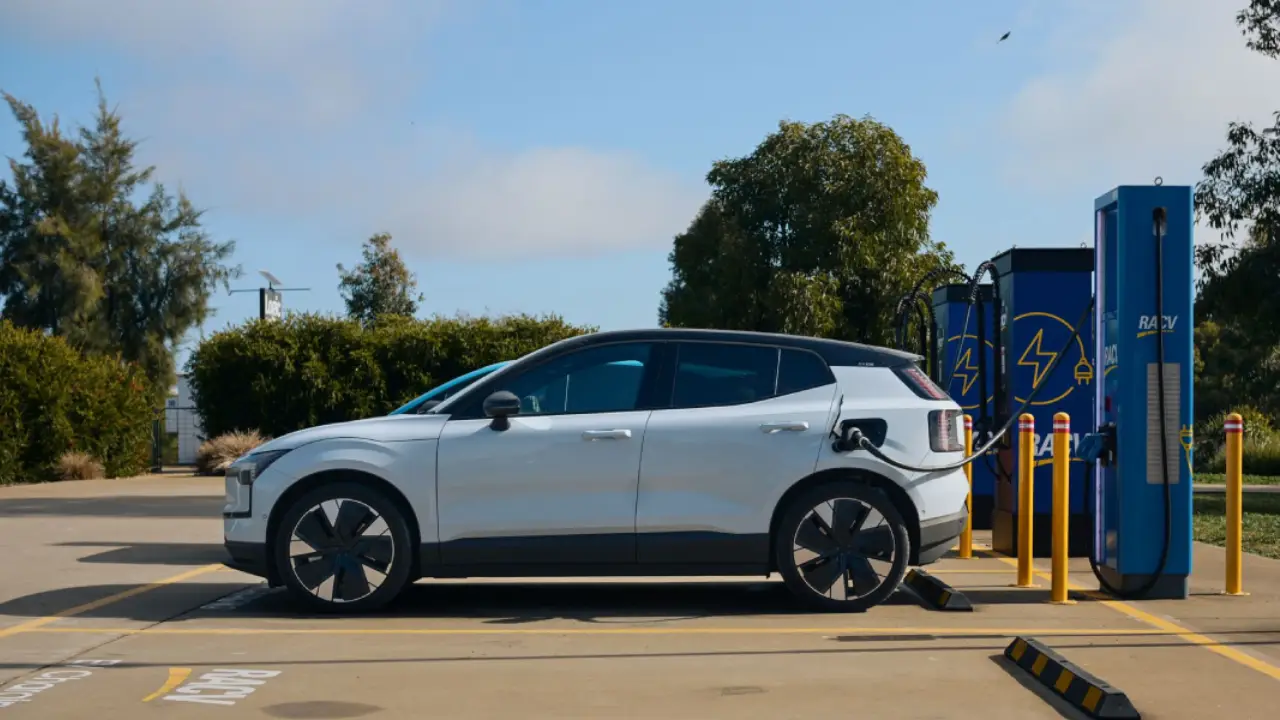
Electric vehicles are transforming the automotive industry through battery innovation, smart technology, and cleaner transportation. Automakers are developing EVs with longer driving ranges, faster charging, and improved performance to meet the needs of modern drivers.
From affordable city cars to premium electric SUVs and powerful pickups, today's electric vehicles serve a growing range of customers. Here are 10 standout EVs shaping the future of mobility through their technology, practicality, and influence on the global automotive market.
1. Tesla Model Y
The Tesla Model Y is one of the world's most influential electric SUVs, combining family-friendly space, impressive performance, and advanced software features. Its practical design and access to Tesla's Supercharger network have helped make electric driving more convenient for everyday users.
The Model Y also demonstrates how connected technology can improve the driving experience through navigation, remote controls, and over-the-air updates. Its continued competition with electric SUVs from established and emerging manufacturers is encouraging improvements in price, efficiency, and charging convenience.
2. BYD Seagull
The BYD Seagull is a compact electric car designed to make battery-powered transportation more accessible. Its small dimensions suit city driving, while BYD's experience in battery production supports its position in the increasingly competitive affordable-EV market. The model is sold under different names in selected international markets.
Affordable electric cars could help more people transition away from petrol-powered vehicles, particularly in densely populated cities. The Seagull reflects the growing influence of Chinese automakers and the industry's shift toward cost-effective electric mobility. Its success in international markets will depend on local pricing, safety standards, charging access, and service support.
3. Tesla Model 3
The Tesla Model 3 helped popularize electric sedans by combining strong acceleration, useful driving range, and a technology-focused interior. Its streamlined design and software features have influenced how other manufacturers develop modern electric cars. It remains a notable option for drivers seeking a balance between everyday practicality and performance.
The Model 3 has also helped intensify competition in the electric sedan segment. Its charging options, digital controls, and regular software improvements reflect the industry's move toward connected vehicles. As more brands introduce electric sedans, consumers can expect greater competition in driving range, features, efficiency, and overall value.
4. Hyundai Ioniq 5
The Hyundai Ioniq 5 stands out for its distinctive styling, spacious cabin, and advanced charging technology. Its 800-volt electrical architecture supports rapid DC charging under suitable conditions, while vehicle-to-load functionality in supported versions allows it to power compatible electrical equipment. These features make it a versatile choice for modern drivers.
The Ioniq 5 shows how purpose-built electric platforms can create new possibilities for cabin space and convenience. Its combination of practical design and charging capability has helped raise expectations for mainstream EVs. Continued improvements in battery performance and public charging infrastructure could make vehicles like this more practical for longer journeys.
5. Kia EV3
The Kia EV3 brings electric SUV technology into a compact package aimed at everyday drivers and families. Its modern design, digital interior, and available long-range battery configuration make it an attractive option for people who want SUV practicality without moving into a larger vehicle. It reflects the industry's growing focus on compact electric crossovers.
Smaller electric SUVs could play an important role in expanding EV adoption by combining manageable dimensions with useful passenger and cargo space. The EV3 also illustrates how automakers are bringing advanced features into more accessible vehicle categories. Its wider impact will depend on pricing, regional availability, charging infrastructure, and competition from other manufacturers.
6. BYD Atto 3
The BYD Atto 3, also known as the Yuan Plus in China, is a compact electric SUV that has helped BYD expand into international markets. Its family-friendly layout, modern cabin, and battery technology make it a competitor in a segment traditionally dominated by petrol-powered crossovers. It also highlights the growing global presence of Chinese electric-vehicle manufacturers.
BYD's integrated approach to battery and vehicle production has strengthened its position in the EV industry. The Atto 3 demonstrates how international competition can broaden consumer choice and encourage innovation. Its long-term success will depend on competitive pricing, dependable after-sales service, battery warranties, and convenient charging options in each market.
7. Ford F-150 Lightning
The Ford F-150 Lightning brings electric power to the full-size pickup segment, demonstrating that EV technology can support work as well as personal transportation. It combines strong electric torque with practical storage and, in compatible configurations, power outlets that can support equipment at work sites or during outdoor activities. Its design appeals to drivers who need a capable utility vehicle.
Electric pickups could help reduce local exhaust emissions in commercial and private transport while offering potential maintenance and energy-cost benefits. However, towing heavy loads can reduce driving range, and access to suitable charging stations remains important. The F-150 Lightning illustrates both the opportunities and practical challenges of electrifying larger vehicles.
8. Rivian R1T
The Rivian R1T is an electric pickup designed for drivers who value adventure, outdoor recreation, and utility. Its electric drivetrain delivers rapid acceleration, while its storage solutions and available off-road capabilities distinguish it from conventional pickups. The vehicle demonstrates how electric platforms can support new approaches to performance and practical design.
The R1T has helped expand the image of electric vehicles beyond city commuting and family transport. It shows that battery-powered technology can also serve customers interested in camping, outdoor travel, and demanding driving conditions. Purchase price, remote charging access, towing requirements, and energy consumption remain important factors for prospective owners.
9. Porsche Taycan
The Porsche Taycan demonstrates the potential of electric powertrains in the premium performance-car market. It combines rapid acceleration, precise handling, and advanced battery-temperature management to deliver a driving experience focused on performance. Selected versions also support high-speed charging when the battery and charging equipment meet the required conditions.
The Taycan has encouraged greater investment in electric performance engineering, including thermal management, power electronics, and chassis development. Although it occupies a premium price category, technologies refined in performance vehicles can influence future electric cars. It also challenges the perception that choosing an EV requires sacrificing driving excitement.
10. MG4 Electric
The MG4 Electric is a compact battery-powered hatchback designed to bring electric driving to a wider audience. Its relatively conventional hatchback shape, practical cabin, and multiple powertrain configurations make it suitable for commuters and small families. The model has helped increase competition in the affordable electric-car segment in several international markets.
The MG4 illustrates why reasonably priced EVs are important to the future of mobility. Buyers need vehicles that combine useful range with manageable running costs and accessible charging. As manufacturers compete for mainstream customers, cars like the MG4 can help accelerate adoption, provided local service networks, battery warranties, and charging facilities meet customer needs.