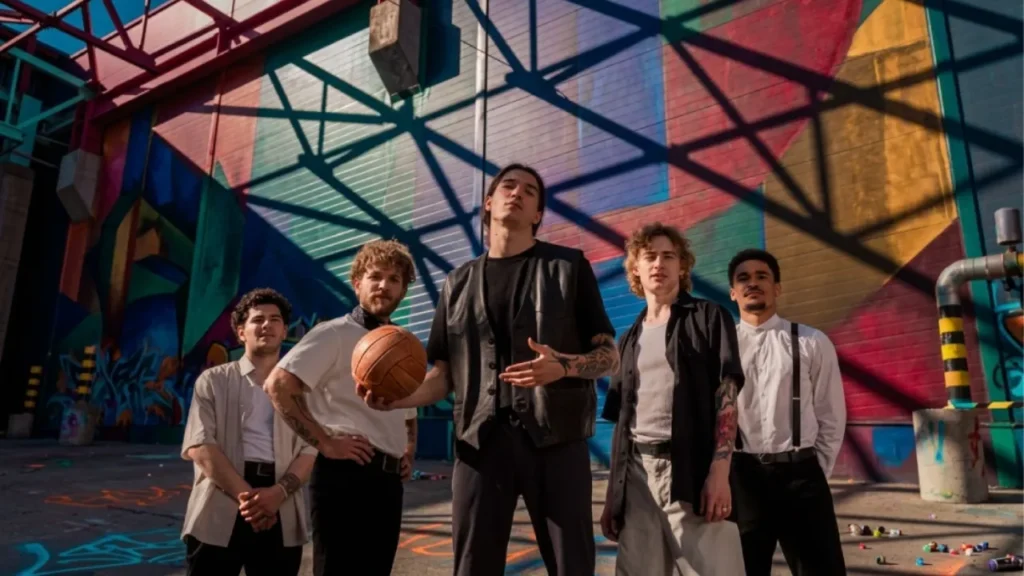
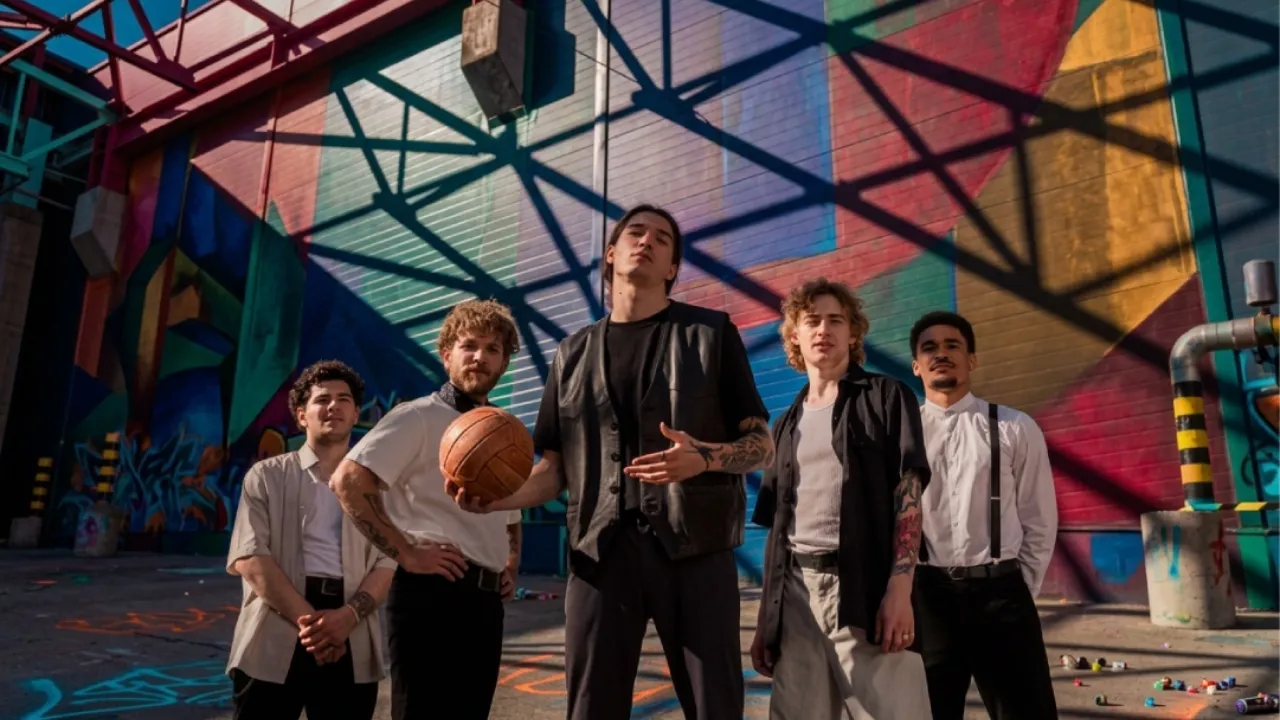
Gen Z fashion trends are reshaping how young consumers approach clothing, footwear and personal style in 2026. Instead of following one dominant aesthetic, Gen Z is mixing nostalgia, streetwear, vintage pieces and modern silhouettes to create more individual looks.
Social media continues to accelerate these changes. TikTok, Instagram and visual-search platforms help styles move from niche communities into mainstream fashion quickly. Current 2026 coverage points to Y2K nostalgia, relaxed silhouettes, denim experimentation, hybrid footwear and vintage-inspired dressing as important directions.
1. Y2K Fashion Revival
Y2K fashion remains one of the strongest influences on Gen Z style in 2026. Low-rise jeans, baby tees, flared trousers, cropped tops and nostalgic accessories bring early-2000s fashion back into everyday wardrobes. Gen Z is not simply copying the original era. It is remixing those pieces with modern styling and contemporary footwear.
The appeal comes partly from nostalgia for an era that many Gen Z consumers experienced through movies, music videos, celebrity culture and online archives. The renewed interest also gives vintage and secondhand clothing a stronger role in modern outfits. This makes Y2K fashion both nostalgic and highly adaptable.
2. Low-Rise Denim
Low-rise denim has made a major comeback in 2026. The trend ranges from relaxed low-rise jeans to baggy and boot-cut shapes. Modern versions often use more comfortable proportions than the extremely low silhouettes associated with the early 2000s.
Gen Z has helped turn low-rise jeans from a controversial throwback into a mainstream fashion option. The style works particularly well with cropped jackets, fitted tops, oversized shirts and statement footwear. Its return also shows how strongly fashion cycles can revive older silhouettes.
3. Straight-Leg and Relaxed Denim
Straight-leg jeans are another important direction for Gen Z wardrobes. The silhouette offers a middle ground between skinny jeans and extremely oversized denim. Fashion coverage for 2026 highlights straight-leg and slightly wider shapes as versatile choices with lasting appeal.
This trend also reflects a broader shift toward personal style. Rather than replacing one denim shape with another, consumers now have more freedom to choose silhouettes that fit their personality. Straight-leg jeans can work with sneakers, boots, loafers or more experimental footwear.
4. Vintage and Thrifted Fashion
Vintage and thrifted clothing has become an important part of Gen Z fashion culture. Young consumers are combining secondhand jackets, denim, sportswear, dresses and accessories with contemporary pieces. This approach creates outfits that feel more personal than buying an entire look from one collection.
The trend also connects fashion with sustainability and individuality. Gen Z can find unusual pieces while extending the life of existing clothing. The growing popularity of “eras dressing” takes this idea further by mixing pieces from different decades into one outfit.
5. Slouchy and Relaxed Silhouettes
Gen Z fashion is moving toward softer and more relaxed proportions. Slouchy tops, dropped waists, loose trousers and flowing layers are replacing some of the sharply structured silhouettes that dominated previous seasons.
The appeal is both aesthetic and practical. Relaxed clothing allows people to experiment with layering and proportions without creating an overly formal appearance. Gen Z often combines loose pieces with fitted items to create contrast and a more individual look.
6. Hybrid Footwear
Hybrid footwear has become one of the more experimental Gen Z fashion trends. Designers and younger consumers are combining familiar categories, creating shoes that sit between sneakers, loafers, boots and other traditional styles.
This approach fits Gen Z's preference for fashion that feels unexpected. Instead of choosing between a classic shoe and a sneaker, hybrid designs provide elements of both. The result is footwear that can work with casual outfits while adding a distinctive fashion statement.
7. Statement and Embellished Denim
Denim is becoming a canvas for personal expression in 2026. Embroidery, beads, appliqués and other decorative details are giving jeans a more distinctive appearance. This trend moves denim away from being a simple wardrobe basic and toward statement fashion.
The popularity of embellished denim also fits the broader movement toward visible fashion details. After years of understated luxury, many consumers are looking for clothing with character and recognizable visual elements. Gen Z can personalize these pieces further through accessories and creative styling.
8. Skinny Jeans Comeback
Skinny jeans are making a selective return after years of oversized and baggy denim dominating youth fashion. The 2026 comeback does not mean skinny jeans have completely replaced relaxed styles. Instead, they have become another option within a much broader denim landscape.
For Gen Z, the appeal comes from the ability to reinterpret an older trend. Skinny jeans can now appear with oversized jackets, chunky layers or updated footwear. This creates a different visual balance from the skinny-jean outfits associated with the 2000s and early 2010s.
9. Nostalgic Sneakers and Canvas Shoes
Nostalgic sneakers are also gaining attention among younger fashion consumers. Fall 2026 footwear coverage highlights the return of simple white plimsolls, skater-inspired shoes and other retro silhouettes.
These shoes work particularly well with denim, vintage clothing and casual streetwear. Their appeal comes from simplicity rather than technological complexity. Gen Z is using familiar sneaker designs as foundations for more creative outfits.
10. Era-Mixing and Personal Style
One of the biggest Gen Z fashion trends of 2026 may be the rejection of a single aesthetic. Young consumers increasingly combine influences from the 1980s, 1990s, 2000s and current fashion in the same wardrobe. This approach has been described as “eras dressing,” with clothing becoming a form of personal storytelling.
This trend captures the wider direction of Gen Z fashion. Instead of asking which aesthetic is currently dominant, consumers can combine vintage pieces, modern basics, streetwear and statement accessories. The result is fashion that feels personal rather than uniform.