
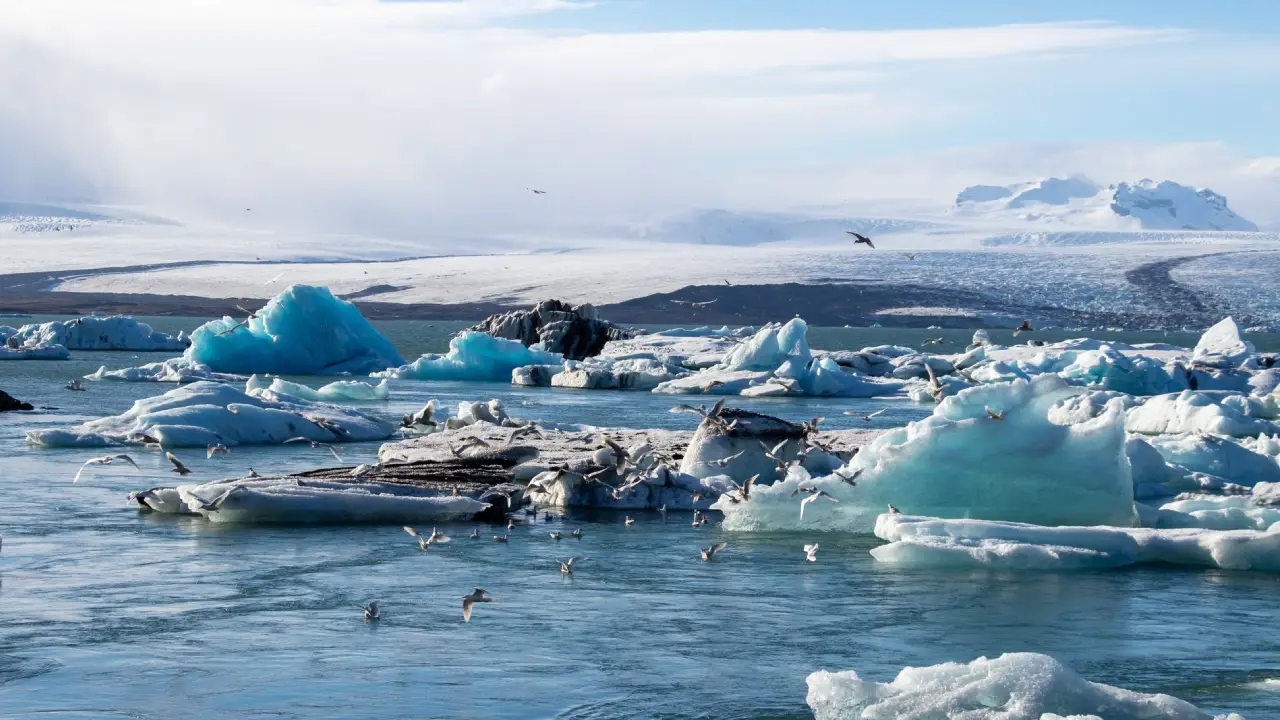
Climate change is expected to remain one of the world's most serious environmental and economic challenges in 2027. Rising temperatures, extreme weather, melting glaciers, and changing rainfall patterns threaten communities, ecosystems, agriculture, and global infrastructure. Although the severity of individual events cannot be predicted far in advance, scientific evidence shows that continued warming increases the risks of many climate-related hazards. Understanding the top 10 climate threats the world must prepare for in 2027 can help governments, businesses, and communities strengthen resilience and protect future generations.
1. Extreme Heatwaves
Extreme heatwaves are becoming a major concern as global temperatures rise and heat records are repeatedly challenged. Prolonged periods of excessive heat can cause heat-related illnesses, increase electricity demand, damage crops, and reduce outdoor productivity. Cities are particularly vulnerable because buildings and roads absorb and retain heat. In 2027, stronger heat-warning systems, urban green spaces, reliable cooling facilities, and public health preparedness will be essential for reducing the risks.
2. Severe Flooding and Heavy Rainfall
Intense rainfall can overwhelm drainage systems, rivers, and flood defenses, putting homes, roads, and businesses at risk. A warmer atmosphere can hold more moisture, increasing the potential for heavy precipitation in many regions, although local outcomes vary. Flooding can contaminate drinking water, destroy agricultural land, and displace entire communities. Better flood forecasting, improved drainage, protected wetlands, and responsible construction planning will be crucial for reducing future damage.
3. Prolonged Droughts and Water Scarcity
Drought threatens freshwater supplies, agricultural production, livestock, and the livelihoods of millions of people. Higher temperatures can increase evaporation and worsen water stress in already dry regions, while changing rainfall patterns make water availability less predictable. Reservoirs may decline, groundwater resources can become depleted, and competition for water may intensify. Governments and communities must prepare through efficient irrigation, water recycling, drought-resistant crops, and sustainable groundwater management.
4. Powerful Tropical Cyclones and Storms
Tropical cyclones and severe storms can cause devastating damage through strong winds, storm surges, coastal flooding, and extreme rainfall. Warmer ocean waters can increase the potential for more intense tropical cyclones, although changes in storm frequency vary by region. Coastal settlements, ports, power systems, and transport networks face significant exposure. Improved forecasting, stronger building standards, evacuation planning, and resilient coastal infrastructure can help reduce casualties and economic losses.
5. Rising Sea Levels and Coastal Erosion
Sea-level rise threatens coastal cities, island nations, beaches, wetlands, and low-lying agricultural areas. Ocean warming causes seawater to expand, while melting glaciers and ice sheets add water to the oceans. Higher sea levels can make storm surges more damaging, accelerate erosion, and increase saltwater intrusion into freshwater supplies. Coastal protection, restored mangroves, carefully planned development, and relocation from highly exposed areas may become increasingly important adaptation measures.
6. Wildfires and Forest Destruction
Hotter conditions, prolonged dry spells, and changing vegetation moisture can increase wildfire danger in susceptible regions. Large fires destroy forests, wildlife habitats, homes, and essential infrastructure while releasing smoke that harms air quality. Smoke can travel far beyond the fire zone, affecting public health and disrupting transport and economic activity. In 2027, communities will need better fire-risk monitoring, vegetation management, emergency response systems, and measures to protect homes near fire-prone landscapes.
7. Melting Glaciers and Polar Ice Loss
Glaciers and polar ice are under pressure from long-term global warming, threatening ecosystems and contributing to sea-level rise. In mountain regions, glacier retreat can initially increase certain flood hazards and eventually reduce dependable seasonal water supplies. Communities relying on glacier-fed rivers may face greater uncertainty for drinking water, agriculture, and hydropower. Monitoring ice loss, improving water storage, and planning for changing river flows will be vital for vulnerable populations.
8. Food Insecurity and Agricultural Disruption
Climate-related heat, drought, floods, and shifting growing seasons can reduce crop yields and threaten food security. Extreme weather may also affect livestock, fisheries, transportation networks, and food storage, leading to price increases and supply shortages. Poorer households are especially vulnerable because food can consume a large share of their income. Climate-resilient crops, improved irrigation, diversified food supplies, and stronger agricultural infrastructure can help protect farmers and consumers.
9. Biodiversity Loss and Ecosystem Collapse
Climate change places growing pressure on forests, coral reefs, wetlands, oceans, and wildlife habitats. Rising temperatures, ocean acidification, changing rainfall, and extreme events can force species to move, reduce reproduction, or face extinction when they cannot adapt quickly enough. Ecosystem degradation also threatens pollination, fisheries, clean water, and other services that support human economies. Protecting habitats, restoring damaged ecosystems, reducing pollution, and limiting greenhouse gas emissions are essential to preserving biodiversity.
10. Climate-Related Health Emergencies
Climate change can increase health risks through extreme heat, worsening air quality, food and water insecurity, and changes in the geographic distribution of some infectious diseases. Floods and storms can disrupt hospitals, sanitation systems, and access to essential medicines. Vulnerable groups, including older adults, young children, outdoor workers, and people with limited healthcare access, may face greater risks. Stronger public health surveillance, early-warning systems, resilient hospitals, and emergency response planning will be critical in 2027.