
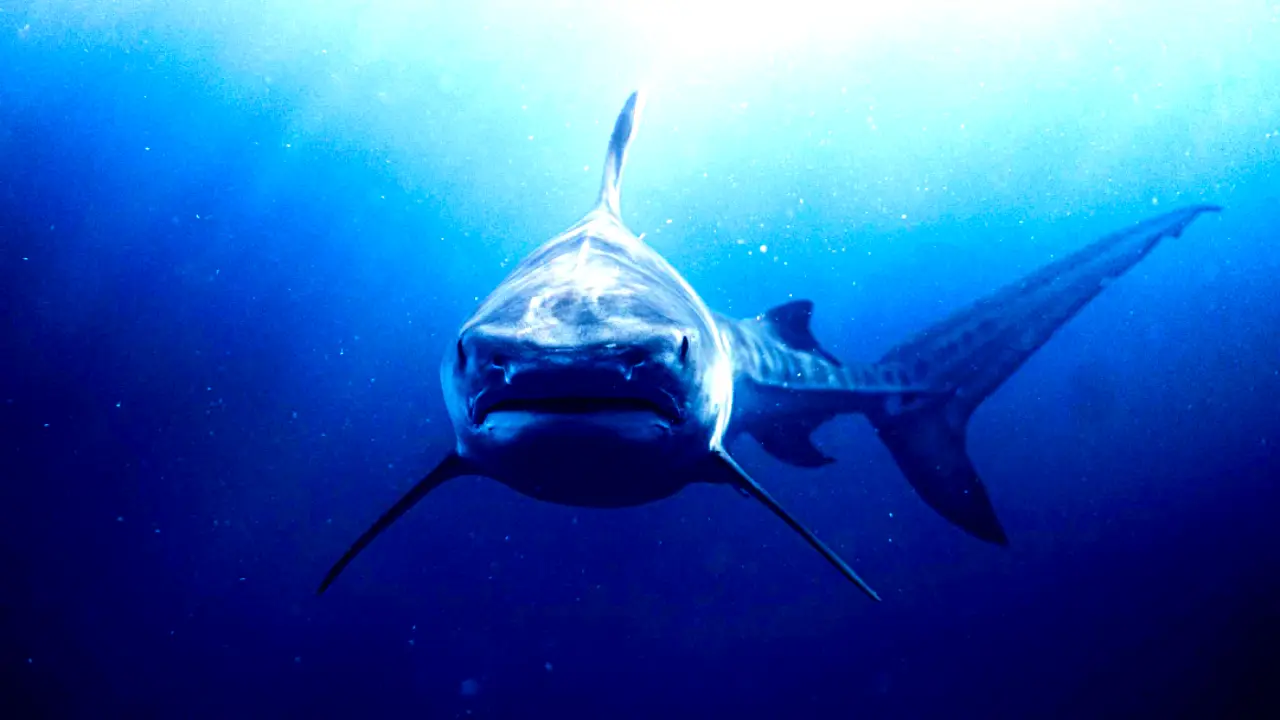
The 10 most feared aquatic animals in the world are not necessarily the deadliest. Some are feared because of their powerful jaws, while others can deliver venomous stings or inflict serious injuries when threatened. This list explores ten remarkable aquatic creatures, explaining their characteristics, habitats and reasons for their fearsome reputations.
The world's oceans, rivers and coastal waters are home to some of the most fascinating—and frightening—creatures on Earth. From enormous sharks and powerful crocodiles to venomous jellyfish and mysterious deep-sea predators, these aquatic animals have earned their fearsome reputations through their size, hunting abilities, defensive weapons or potential danger to humans.
1. Great White Shark
The great white shark (Carcharodon carcharias) is one of the most recognizable and feared marine predators in the world. With its powerful body, rows of serrated teeth and exceptional hunting abilities, this enormous fish occupies a prominent place in popular culture. Great white sharks inhabit temperate coastal and offshore waters, where they prey on fish, seals and other marine animals.
Despite their frightening reputation, great white sharks do not routinely hunt humans. Serious encounters are uncommon compared with the enormous number of people who enter the ocean. Nevertheless, their size and ability to inflict devastating injuries make them one of the aquatic animals most feared by swimmers, surfers and divers.
2. Saltwater Crocodile
The saltwater crocodile (Crocodylus porosus) is the largest living crocodilian and one of the most formidable predators in aquatic environments. It inhabits estuaries, mangrove forests, rivers and coastal waters across parts of South and Southeast Asia and northern Australia. Its camouflage and ability to remain almost motionless near the water's surface make it a highly effective ambush hunter.
This powerful reptile is feared for its muscular body, strong jaws and explosive attacks at the water's edge. Saltwater crocodiles can attack humans who enter or approach their habitat, making them a serious danger in areas where they occur. Following local warnings and avoiding swimming in crocodile-inhabited waters are essential safety precautions.
3. Box Jellyfish
The Australian box jellyfish (Chironex fleckeri) is among the world's most dangerous venomous marine animals. Found primarily in tropical waters around northern Australia and parts of the Indo-Pacific, it has a transparent, box-shaped body and long tentacles that can be difficult to see underwater. Its delicate appearance conceals a potent defense mechanism.
The jellyfish's tentacles contain specialized stinging cells that deliver venom on contact. Severe stings can cause extreme pain, cardiovascular complications and potentially fatal outcomes. It is especially feared because an accidental encounter can have serious consequences before a swimmer realizes the animal is nearby. Beach warnings and local marine safety advice should always be taken seriously.
4. Bull Shark
The bull shark (Carcharhinus leucas) is a powerful shark known for its robust build and ability to tolerate freshwater as well as saltwater. It occurs in tropical and subtropical coastal waters, estuaries and some river systems, bringing a large marine predator into environments frequently used by people.
Bull sharks are feared for their strong jaws, stocky bodies and involvement in serious shark incidents. Their presence in murky coastal waters and river mouths can make encounters difficult to anticipate. However, sharks do not automatically attack people when encountered. Avoiding areas with official shark warnings and following local swimming restrictions can help reduce risks.
5. Stonefish
Stonefish belonging to the genus Synanceia are masters of underwater camouflage. Their rough, irregular bodies resemble rocks or coral, allowing them to blend into shallow tropical seabeds and reef environments. Found in parts of the Indo-Pacific, these fish can remain almost invisible to unsuspecting swimmers and divers.
Stonefish possess venomous dorsal spines that can cause exceptionally painful injuries when stepped on or handled. Severe envenomation may lead to swelling, cardiovascular complications and other serious medical problems. Their combination of camouflage and potent venom makes them particularly feared by people exploring shallow reefs or walking barefoot in suitable habitats.
6. Blue-Ringed Octopus
The blue-ringed octopus (Hapalochlaena species) is a small marine animal famous for its striking blue rings and potentially life-threatening venom. It inhabits parts of the Indian and Pacific oceans, often hiding in rock pools, coral reefs and crevices. Its small size can make it appear harmless to people who encounter it.
When threatened, its bright blue markings become more noticeable. Its venom contains tetrodotoxin, a potent neurotoxin that can cause paralysis and respiratory failure. There is no specific widely available antidote, so suspected serious envenomation requires immediate emergency medical assistance and supportive care. The safest approach is to observe this fascinating animal without touching it.
7. Tiger Shark
The tiger shark (Galeocerdo cuvier) is a large marine predator found in tropical and temperate waters around the world. Recognizable by the dark, tiger-like markings that are especially prominent in younger individuals, it has a broad diet that includes fish, turtles, seabirds and other marine animals.
Tiger sharks are feared because of their size, powerful jaws and documented involvement in serious attacks on humans. Their ability to forage across different marine habitats makes them adaptable predators. Nevertheless, people are not their normal prey, and attacks remain uncommon. Swimmers and divers should respect wildlife, avoid fishing activity where bait may attract sharks, and obey local beach safety guidance.
8. Irukandji Jellyfish
Irukandji jellyfish are tiny marine animals associated with Irukandji syndrome, a potentially severe medical condition. The best-known species include Carukia barnesi, found in tropical Australian waters. Their small bodies and nearly transparent appearance make them difficult to detect, even in areas where jellyfish are present.
A sting may initially cause only mild symptoms, followed by severe muscle pain, nausea, sweating, anxiety and dangerous cardiovascular effects. In serious cases, hospitalization is necessary. The possibility of delayed symptoms makes these jellyfish particularly concerning. Anyone who develops symptoms after a possible jellyfish sting should seek prompt medical advice and follow local emergency guidance.
9. Electric Eel
The electric eel (Electrophorus species) inhabits freshwater rivers, streams and flooded forests of South America. Despite its common name, it is not a true eel but an electric knifefish. Its ability to generate powerful electrical discharges is one of the most remarkable adaptations found among freshwater animals.
Electric eels use electrical signals to navigate, communicate and capture prey, while stronger discharges help defend them against threats. A powerful shock can cause intense pain, muscle contractions and temporary incapacitation. In dangerous circumstances, incapacitation in the water may contribute to drowning. These animals are best observed from a safe distance rather than approached or handled.
10. Cone Snail
Cone snails are marine mollusks known for their beautifully patterned shells and specialized venom-delivery systems. Some species, including the geography cone (Conus geographus), inhabit tropical Indo-Pacific waters and hunt using a harpoon-like tooth that injects venom into prey.
Certain cone snails can deliver venom capable of causing severe neurological symptoms, muscle paralysis and respiratory failure in humans. Their attractive shells may tempt beachgoers and collectors to pick them up, creating an avoidable risk. Although cone snails are not aggressive predators of people, their defensive and hunting adaptations make some species among the most dangerous small animals found in marine environments.