
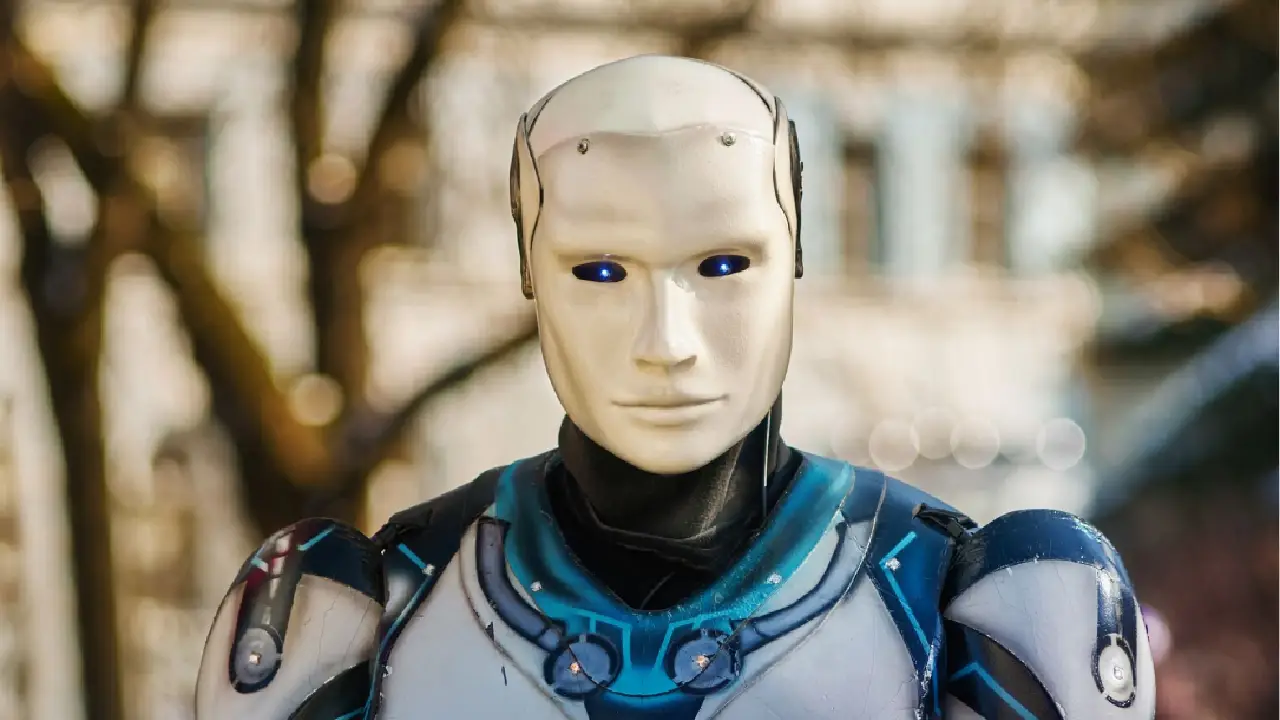
Artificial intelligence (AI) is rapidly transforming how people work, learn, communicate and solve complex problems. From intelligent assistants to advanced medical systems, AI is moving beyond experimental technology and becoming part of everyday life. By 2030, continued advances could reshape major industries, create new career opportunities and change how governments and businesses operate. However, these developments will also raise important questions about privacy, employment, safety and responsible use.
1. Transforming Healthcare and Medical Diagnosis
Artificial intelligence could help doctors detect diseases earlier by analyzing medical images, laboratory results and patient records. AI-powered systems may support faster diagnosis, personalized treatment planning and the discovery of new medicines. Wearable devices could also use AI to identify warning signs before certain health problems become serious. Human medical professionals will remain essential for clinical judgment, patient care and treatment decisions.
2. Changing Jobs and the Future of Work
By 2030, AI could automate more routine tasks in administration, customer service, data processing and manufacturing. At the same time, businesses may create new roles in AI development, cybersecurity, data analysis and technology management. Workers could increasingly collaborate with AI tools to improve productivity rather than perform every task manually. The scale of these changes will depend on adoption rates, economic conditions and how effectively workers receive training.
3. Revolutionizing Education and Learning
AI-powered education platforms could provide personalized lessons based on each student's abilities, learning pace and knowledge gaps. Virtual tutors may help students practice languages, mathematics, science and other subjects whenever they need assistance. Teachers could use AI to prepare learning materials and identify students who require additional support. Equal access, data privacy and human guidance will remain important to ensure that AI improves education rather than widens existing inequalities.
4. Accelerating Scientific Research and Drug Discovery
AI could help researchers analyze enormous datasets, identify patterns and test scientific ideas more efficiently. In pharmaceutical research, it can assist with identifying promising drug candidates, predicting molecular properties and prioritizing laboratory experiments. Similar tools may support progress in materials science, agriculture, energy and climate research. AI-generated predictions still require rigorous testing and independent verification before they can be relied upon in real-world applications.
5. Making Businesses More Efficient
Companies could increasingly use AI to forecast demand, manage inventory, answer customer inquiries and identify operational problems. Manufacturing plants may combine AI with sensors and robotics to improve quality control and predict equipment failures before costly breakdowns occur. Small businesses could also gain access to tools for marketing, accounting and customer support that were once expensive to obtain. However, organizations will need to manage cybersecurity, accuracy, implementation costs and employee training.
6. Transforming Transportation and Autonomous Vehicles
AI could improve traffic management, route planning, driver-assistance systems and the operation of autonomous vehicles. Smart transport networks may help reduce congestion and improve the efficiency of public transportation and delivery services. Self-driving technology could expand in controlled environments, such as warehouses, industrial sites and selected transport routes. Wider adoption will depend on safety performance, regulation, infrastructure and public acceptance.
7. Improving Agriculture and Global Food Security
Farmers could use AI-powered cameras, drones, sensors and satellite data to monitor crops and detect pests or diseases earlier. Intelligent systems may help optimize irrigation, fertilizer application and harvesting schedules, reducing waste and improving resource efficiency. AI could also improve weather-risk analysis and help farmers make better-informed decisions about planting. Access to affordable technology, reliable data and local agricultural expertise will determine how widely these benefits reach farming communities.
8. Supporting Climate Action and Clean Energy
AI could help predict extreme weather, monitor deforestation and improve the management of renewable energy systems. Electricity networks may use AI to balance supply and demand as solar and wind power become more widely integrated. Researchers could also apply AI to improve energy efficiency in buildings, transport and industrial operations. However, AI systems themselves consume energy and require computing infrastructure, so their environmental benefits will depend partly on how efficiently they are developed and operated.
9. Strengthening Cybersecurity—and Increasing Digital Risks
AI could help security teams detect suspicious activity, identify vulnerabilities and respond to cyberattacks more quickly. Yet the same technology can enable criminals to create convincing scams, deepfake videos, automated phishing messages and more sophisticated digital attacks. By 2030, protecting identities and verifying online information could become even more important for individuals, businesses and governments. Strong security practices, effective regulation and public awareness will be essential to managing these competing risks
10. Changing Daily Life Through Intelligent Assistants
AI assistants could become more capable of organizing schedules, summarizing information, translating languages and helping people complete everyday tasks. Connected homes may use AI to manage energy consumption, while digital services could offer more personalized recommendations and support. These tools may save time and make some services more accessible to people with disabilities or language barriers. Their value will depend on reliability, affordability, privacy protections and meaningful user control.