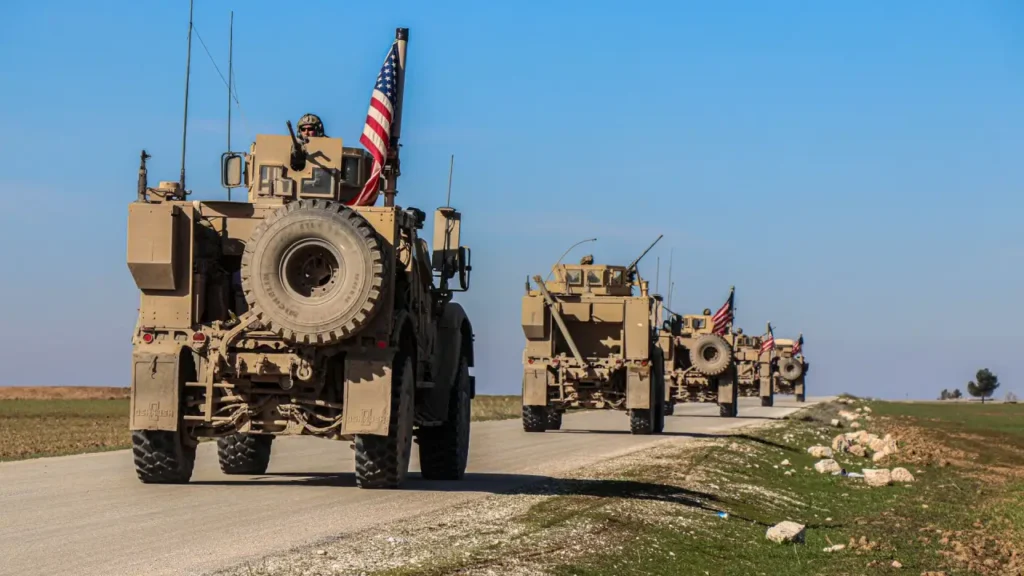
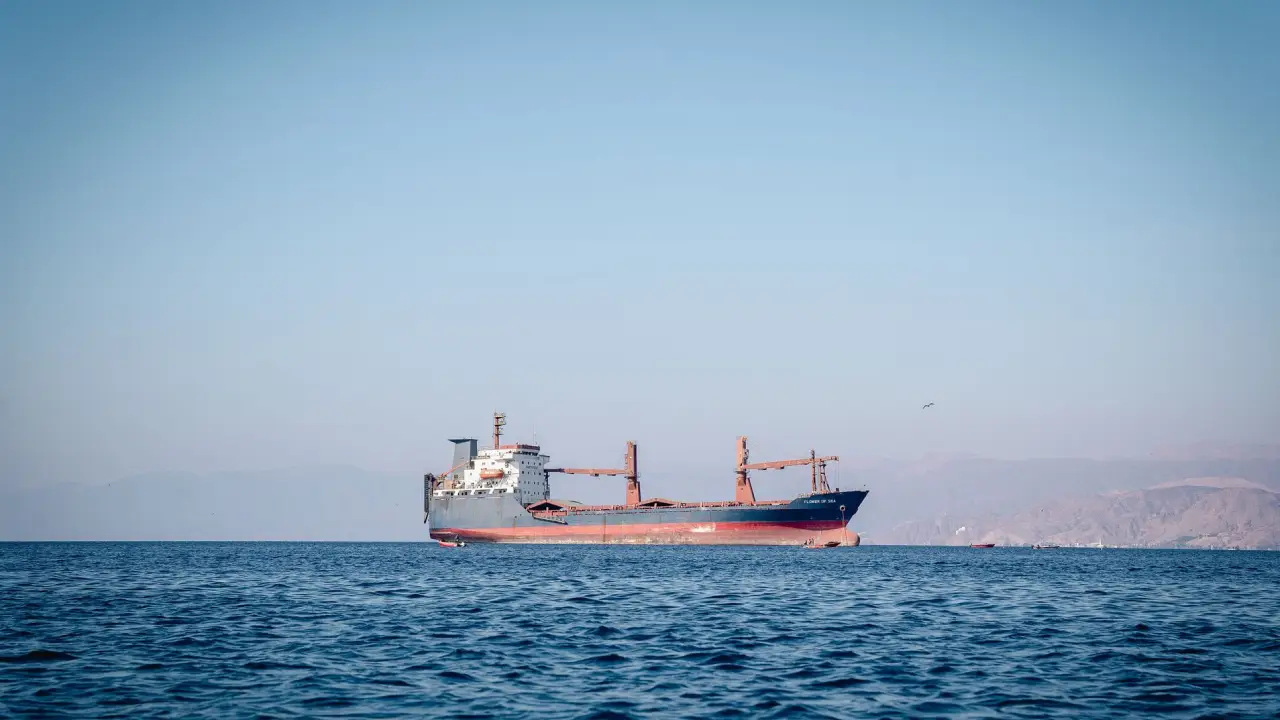
Iran has proposed a seven-day plan to reopen the Strait of Hormuz and restore normal maritime traffic. The strategic waterway is now at the center of renewed diplomatic efforts to reduce the wider Middle East conflict.
Iranian Foreign Minister Abbas Araqchi said Tehran had sent the proposal to the United States through mediators. He said the Strait could reopen within seven days if the necessary conditions were met.
According to Reuters, Washington had not publicly accepted the proposal as of September 26. However, a U.S. official described discussions through mediators as positive and constructive.
Why the Strait of Hormuz Matters
The Strait of Hormuz is a narrow maritime passage between Iran and Oman. It connects the Persian Gulf with the Gulf of Oman and the Arabian Sea.
Despite its small size, the Strait is one of the world's most important energy corridors. Large quantities of crude oil, petroleum products and liquefied natural gas pass through the waterway.
This makes the Strait important for Middle Eastern energy producers and major economies that depend on imported energy.
A prolonged disruption could affect markets far beyond the region. It could push up energy prices, shipping costs and insurance rates. It could also increase inflation and disrupt international supply chains.
What Does Iran's Seven-Day Proposal Involve?
Iran's proposal goes beyond reopening the maritime route. According to Iranian officials cited by Reuters, the plan would reopen the Strait and end hostilities.
Tehran is also seeking broader economic and military measures. The reported conditions include lifting the U.S. blockade on Iranian ports, releasing frozen Iranian funds and providing relief from oil sanctions.
These demands connect the future of the Strait to wider diplomatic negotiations. Those discussions include sanctions, Iran's economy, military operations and its nuclear programme.
Iran has also maintained that it will not give up what it describes as its nuclear rights. These include uranium enrichment.
Why Reopening Hormuz Could Matter to the Global Economy
The Strait's importance extends far beyond Iran and Oman. If maritime traffic returns to normal, shipping companies could face less uncertainty.
Energy markets could also receive some relief from concerns about disrupted supply routes. Continued restrictions, however, could keep pressure on oil markets.
Uncertainty could also increase transportation and insurance costs.
Countries that depend heavily on imported energy have a strong economic interest in stable Middle Eastern shipping routes.
Impact on Asian Economies
Major Asian economies have strong connections to Middle Eastern energy supplies. China, in particular, has significant exposure to disruptions in regional energy flows.
Reuters reported that the Hormuz crisis also came up during a recent meeting between U.S. President Donald Trump and Chinese President Xi Jinping.
The situation shows how developments around the Strait can involve major global economic powers, not just regional governments.
Diplomacy Under Pressure
The seven-day proposal comes after months of conflict and repeated diplomatic efforts.
The latest initiative puts the United States and Iran in a complicated negotiating position. Tehran wants relief from economic and military pressure.
Washington, meanwhile, is seeking conditions linked to Iran's nuclear programme and regional security.
According to Reuters reporting from September 24, negotiators were exploring a possible phased arrangement. Under the reported plan, Iran would reopen the Strait while the United States would lift its economic blockade.
A major challenge remains. Neither side wants to give up its negotiating leverage first.
What Happens Next?
The future of the seven-day proposal depends on whether the United States and Iran can agree on the conditions for reopening the Strait.
The issue goes beyond maritime navigation. Any agreement could involve several connected questions.
These include reopening the Strait, ending military hostilities, U.S. economic measures against Iran, Iranian oil exports, frozen Iranian funds, Iran's nuclear programme and regional security.
For global markets, the key question is whether maritime traffic can return to a more stable and predictable environment.
For diplomats, however, reopening the waterway may require progress on the wider political and economic disputes surrounding the conflict.
The Bigger Picture
Iran's seven-day proposal shows how one strategic waterway can become closely linked to international diplomacy, energy security and the global economy.
The Strait of Hormuz is more than a shipping route. Its stability affects energy producers, importers, shipping companies and economies around the world.
Whether Iran's proposal can lead to an agreement will depend on negotiations and the conditions attached to any reopening.
For now, the Strait remains at the center of a wider diplomatic effort involving Iran, the United States and other regional and global powers.