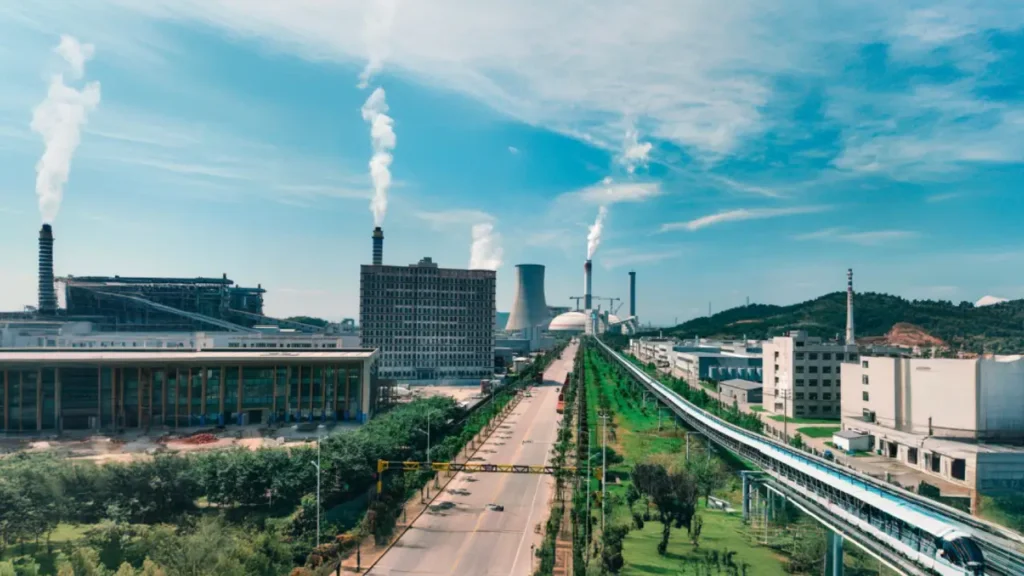
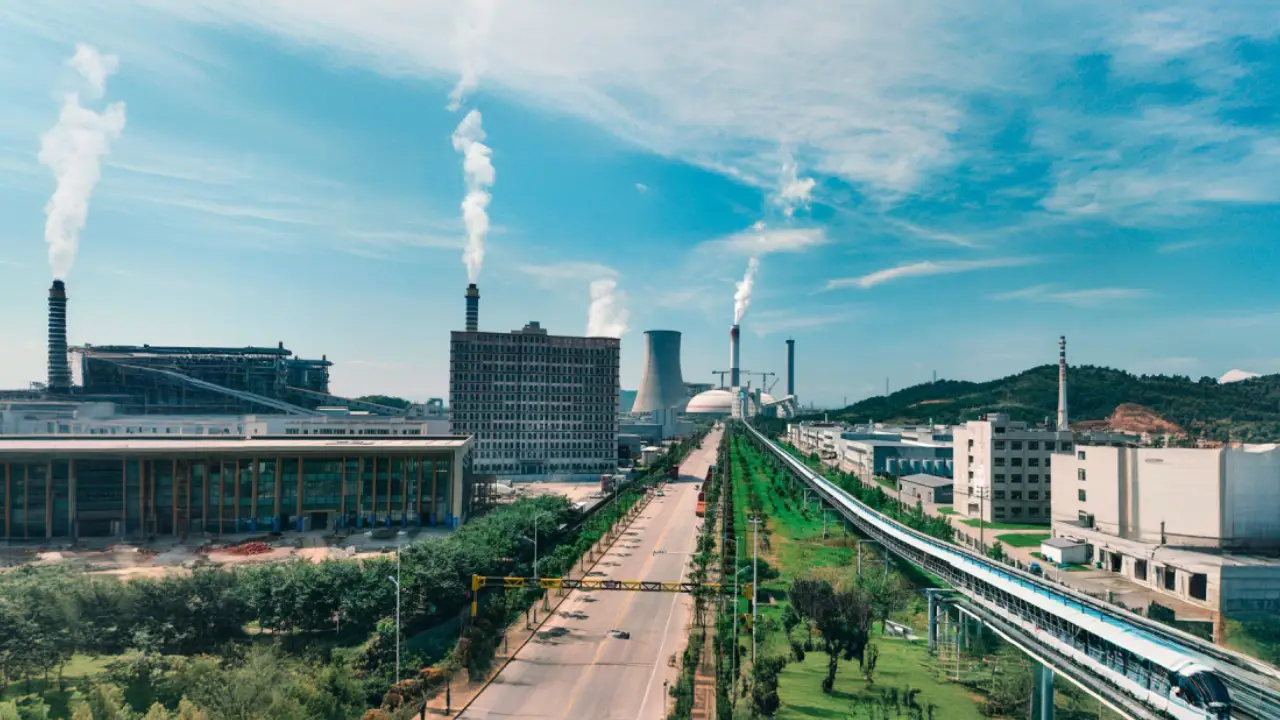
China’s rapid industrial transformation is creating a new competitive challenge for European manufacturers. The country once focused largely on low-cost production and scale. Chinese companies now produce increasingly sophisticated industrial and technology-intensive goods.
A recent analysis by the European Central Bank (ECB) found that European economies face growing competition from Chinese companies. The pressure is particularly strong in machinery and transport equipment. Manufacturing-intensive economies such as Germany face especially significant exposure. Their industrial structures increasingly overlap with China’s expanding export base.
From Low-Cost Manufacturing to High-Value Industry
China’s industrial expansion is no longer limited to traditional mass manufacturing. Chinese companies have moved into advanced technology, capital equipment and higher-value products.
The ECB describes this shift as part of a broader industrial transformation. It includes high-technology manufacturing, greater industrial self-reliance and stronger price competitiveness.
Chinese firms are also expanding their international presence. As a result, they are competing in markets that have historically been important for European exporters.
This shift is changing the nature of competition for European companies. Businesses must compete on more than price. They must also focus on technology, production efficiency, innovation, supply chains and speed to market.
Germany Faces Particular Exposure
Germany is among the European economies facing the greatest exposure. The country has a strong specialization in industrial manufacturing, machinery and automotive production.
According to the ECB analysis, China’s export structure has become increasingly similar to those of several European Union economies since 2019. The change has been particularly pronounced in Germany. Machinery and transport equipment account for a significant share of the growing overlap.
China also appears to rely less on European industrial imports as its domestic production capabilities expand.
The ECB reports that EU exports to China have declined since 2019. The reduction has been particularly pronounced in Germany and other economies closely integrated into European manufacturing and automotive supply chains.
Automotive and Machinery Sectors at a Crossroads
Automobiles, industrial machinery and transport equipment have long played an important role in Europe’s manufacturing base. These industries also support exports and skilled employment across the region.
The growing presence of Chinese manufacturers therefore extends beyond individual companies. Increased competition can influence investment decisions, production locations and supply chains. It could also affect the future structure of industrial employment across Europe.
Recent industry sentiment reflects these concerns. A September survey by Germany’s Chamber of Industry and Commerce found that two-thirds of 1,300 companies surveyed reported competitive pressure from Chinese rivals. The figure rose to 83% among industrial companies.
Competition Also Creates Opportunities
China’s industrial expansion affects European economies in different ways. Some European sectors remain internationally competitive, particularly in higher-value-added markets.
European exporters have also increased their market share in certain areas. This includes parts of the U.S. market, even as Chinese competition has intensified elsewhere.
China’s industrial expansion can also create opportunities for European businesses. Lower-cost imports can reduce some production expenses. Investment relationships and technology spillovers may also provide potential benefits.
The economic impact therefore includes both competitive pressure and commercial opportunities.
A New Phase of Global Manufacturing
The changing relationship between China and Europe represents a broader transformation in global manufacturing.
For decades, European companies benefited from China’s enormous market. At the same time, they maintained strong positions in machinery, automobiles, industrial equipment and other capital goods.
Chinese manufacturers are now increasingly competing with those same companies in international markets.
This shift could encourage European businesses to focus more heavily on innovation, automation and productivity. Companies may also prioritize supply-chain diversification and higher-value products.
Germany’s industrial sector faces a particular challenge. It must maintain its export strength while adapting to a more competitive global manufacturing environment.
China’s industrial expansion is not simply changing where products are manufactured. It is also changing who competes in the world’s major industrial markets.
The ECB’s analysis suggests that global manufacturing could become more fragmented and competitive in the coming years. European, Chinese and other industrial economies may increasingly compete across the same technology-intensive sectors.
For European manufacturers, adaptation will be increasingly important. Companies and economies will need to operate in a global market where technological capability, cost efficiency and industrial scale are increasingly concentrated among multiple major manufacturing powers.