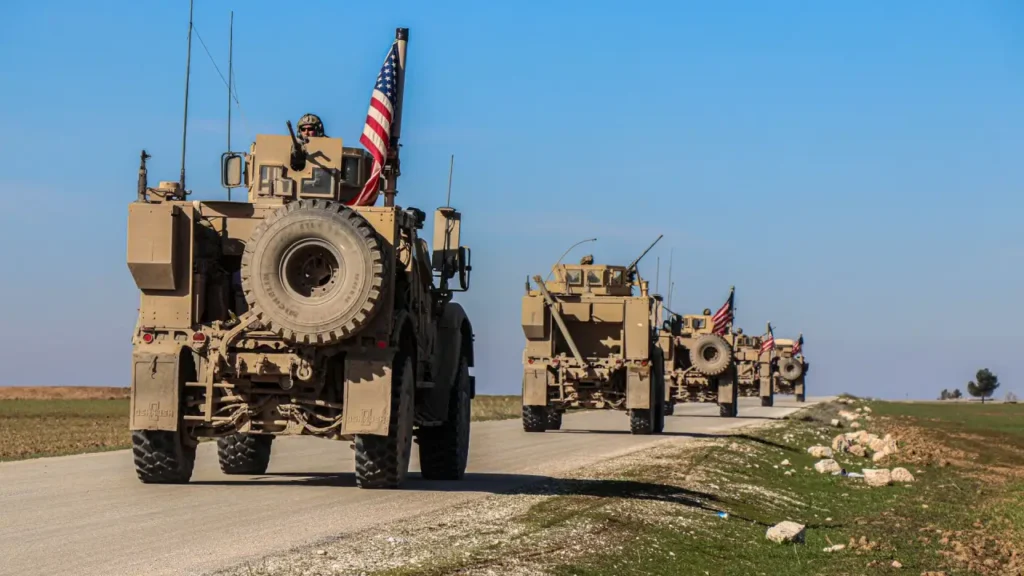
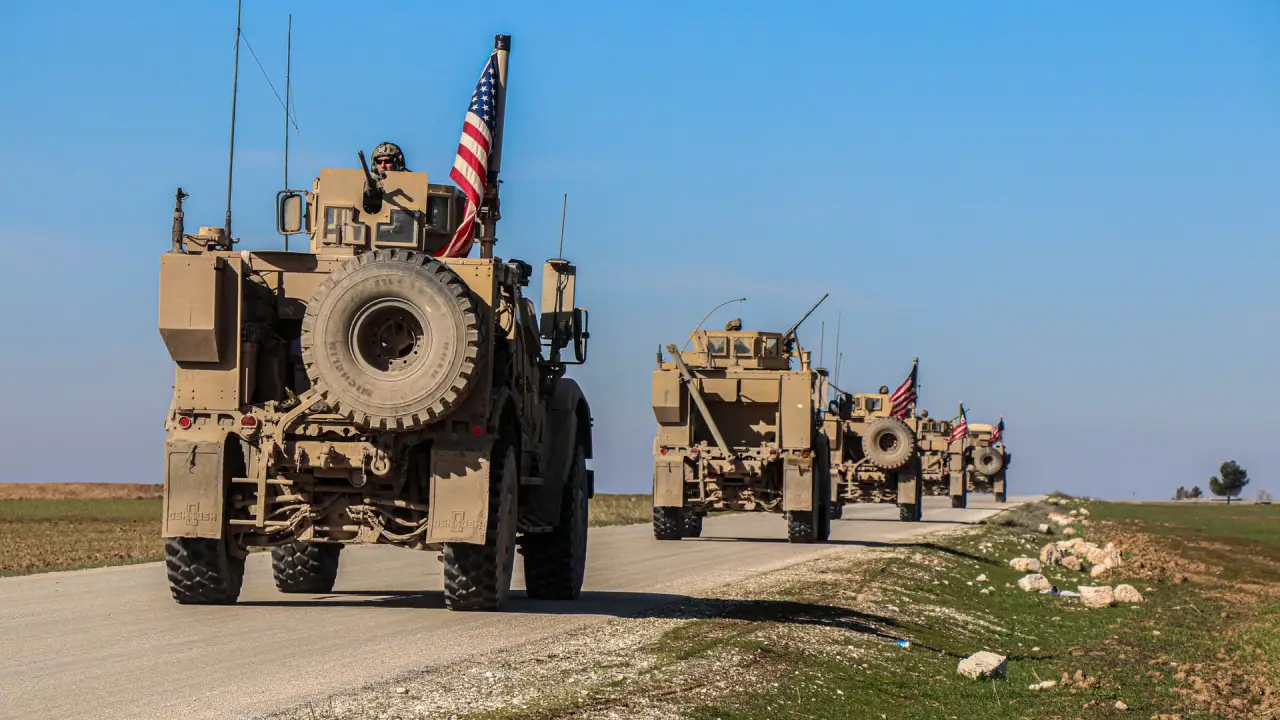
The United States is completing its military withdrawal from Iraq after more than two decades. The move marks a major change in America's military presence in the Middle East.
At the same time, Washington and Beijing continue to face unresolved trade disputes. The latest meeting between U.S. President Donald Trump and Chinese President Xi Jinping produced limited progress, including an agreement to reduce tariffs on about $60 billion of goods.
U.S. Forces Complete Withdrawal From Iraq
The United States is ending its military presence in Iraq after more than 20 years. The withdrawal comes as regional tensions continue to shape the Middle East.
The move gives Baghdad greater responsibility for its own security. Iraq must also balance its relationships with Washington and Tehran as the regional security situation remains uncertain.
The departure marks an important transition for Iraq. It also represents a significant change in the U.S. military footprint across the region.
Security Concerns Grow After U.S. Exit
The U.S. withdrawal could create new security challenges for Iraq. Reuters cited analysts who warned that Iran-aligned groups could gain more influence after American forces leave.
There are also concerns about Islamic State sleeper cells. A changing security environment could give these groups opportunities to regroup.
Iraqi authorities will need to manage these risks while maintaining domestic stability. Relations with major regional and international powers will also remain important.
U.S.–China Trade Disputes Remain
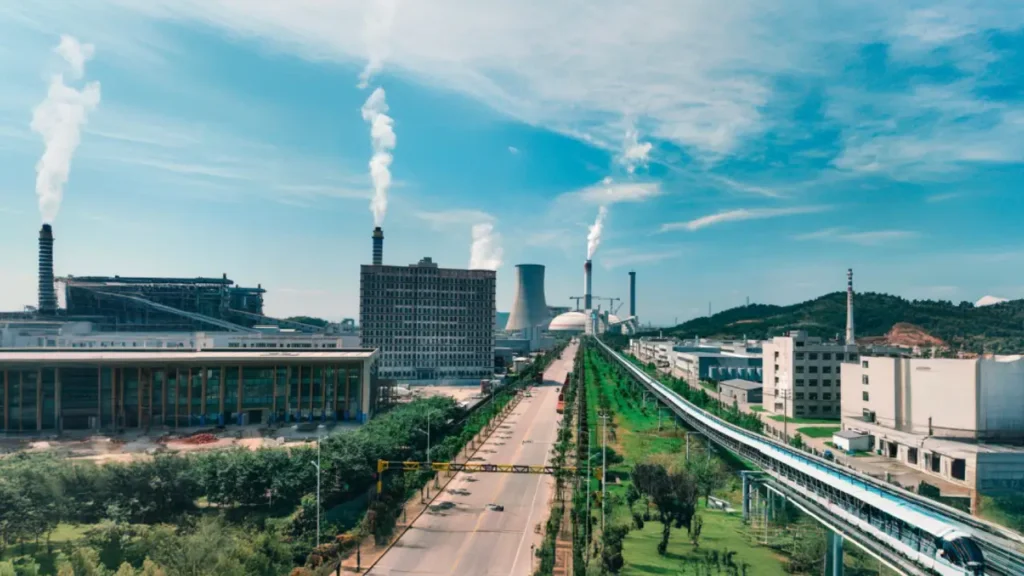
The latest Trump–Xi summit brought limited progress in the U.S.–China trade dispute. Both countries agreed to reduce tariffs on about $60 billion worth of goods.
The measures cover selected agricultural products, consumer goods and household items. The existing trade truce has also been extended for two months.
However, several major disagreements remain. Technology, Taiwan, market access and strategic competition continue to affect relations between Washington and Beijing.
Global Markets Face Continued Uncertainty
The temporary tariff reductions could provide some stability for businesses and global markets. However, the longer-term direction of U.S.–China trade relations remains uncertain.
Meanwhile, the U.S. military withdrawal marks a new phase for Iraq. Baghdad will take greater responsibility for its security as the American military presence declines.
Both developments show how U.S. foreign policy continues to shape global security and economic relations. The coming months could bring further changes in both areas.