
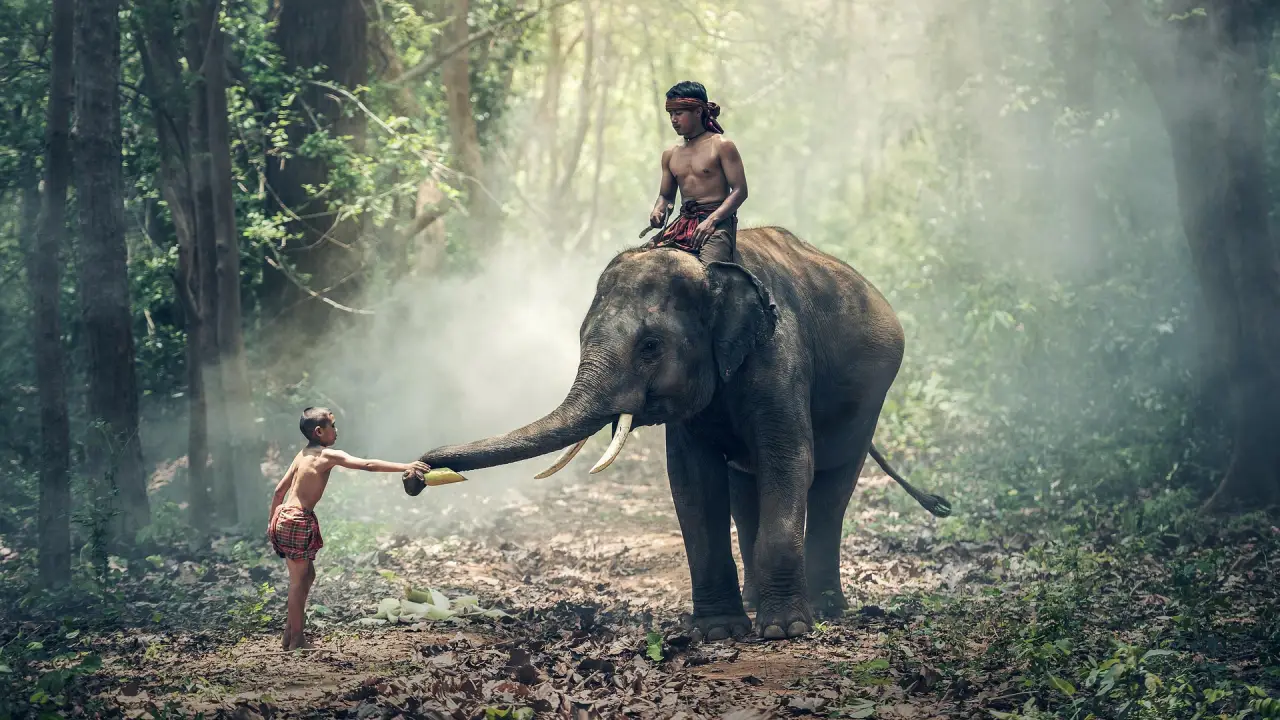
Wildlife conservation in 2026 is being shaped by new threats, international campaigns and changing conservation methods.
From lion deaths in Tanzania to wildfires threatening orangutans, wildlife faces serious challenges. At the same time, new technologies are helping researchers monitor species and protect vulnerable habitats.
These five stories highlight some of the key conservation challenges facing wildlife around the world.
1. Ten Lions Die in Suspected Poisoning Incident in Tanzania
Authorities in Tanzania are investigating the deaths of 10 lions in the Ndutu area of the Ngorongoro Conservation Area.
Preliminary findings suggest that the lions may have died after ingesting poison. However, laboratory tests are still underway to determine the exact cause.
The incident highlights the challenges of protecting large carnivores. Wildlife and human communities often live close to one another in the region.
Lions play an important role in East African ecosystems. Therefore, protecting their populations remains a major conservation priority.
The investigation should provide more information about the deaths. It could also help authorities decide whether additional protection measures are needed.
2. World Rhino Day Highlights Global Conservation Challenges
World Rhino Day takes place on September 22 each year. The event draws global attention to the conservation of the world's five remaining rhino species.
Rhinos continue to face several serious threats. These include poaching, habitat loss and illegal demand for rhino horn.
Governments and conservation groups are working to strengthen protection. They are also trying to preserve the habitats that support remaining rhino populations.
Efforts include anti-poaching operations, habitat management and population monitoring. In addition, governments are working with conservation organizations and local communities.
The annual event highlights the continuing challenges facing rhinos. It also reinforces the importance of long-term conservation programs.
3. Indonesian Wildfires Increase Pressure on Bornean Orangutans
Wildfires in Indonesia are putting additional pressure on Bornean orangutans.
Repeated fires and habitat degradation continue to damage forest ecosystems. As forests become fragmented, orangutans can lose access to food and shelter.
They may also have fewer safe areas for movement.
Conservation teams are monitoring affected areas. They are also carrying out wildlife rescue and protection efforts when necessary.
Environmental organizations have warned about the effects of recurring fires. Continued fires could cause further damage to already vulnerable habitats.
Protecting remaining forests remains essential. Restoring damaged areas is also important for Bornean orangutans and other forest species.
4. African Conservation Efforts Expand to Protect Threatened Wildlife
Across Africa, wildlife authorities and conservation organizations are expanding efforts to protect threatened species and restore habitats.
Many programs also focus on reducing human-wildlife conflict.
Current initiatives include efforts to protect elephant populations and improve wildlife corridors. Other programs support conservation efforts led by local communities.
Wildlife corridors allow animals to move between fragmented habitats. Community-based programs, meanwhile, involve local people in protecting natural ecosystems.
These efforts can also help manage interactions between people and wildlife.
As a result, cooperation between local communities, governments and conservation organizations has become increasingly important.
5. Whale Conservation Efforts Focus on Human-Caused Threats
Whale conservation programs are increasingly targeting threats caused by human activity.
These threats include ship strikes, fishing activity and entanglement.
Scientists and conservation groups are using new technologies to study whale movements. These tools include satellite tags and acoustic monitoring.
Researchers can use tracking data to identify important whale habitats. They can also identify areas where whales face greater risks from ships and fishing activity.
Better tracking gives conservation programs more information. It can help researchers develop measures to reduce human-related threats.
The Bigger Picture
Wildlife conservation in 2026 covers a wide range of environments. These include African savannas, Indonesian forests and the world's oceans.
The five stories show several different challenges. These include suspected poisoning, habitat destruction and poaching.
They also highlight human-wildlife conflict and threats from activities at sea.
For conservationists, governments and local communities, the challenge remains complex. They must protect wildlife while supporting sustainable relationships between people and nature.
The future of many threatened species will depend on continued conservation efforts. Habitat protection, international cooperation and effective action on the ground will also remain important.
Protecting wildlife therefore requires more than saving individual animals. It also means protecting the ecosystems that allow entire species and communities to survive.